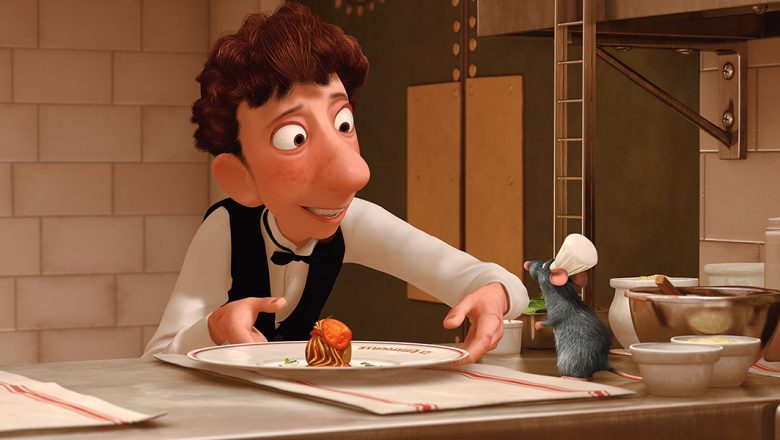
It is time to head back into the kitchen, because Remy’s world still feels surprisingly undercooked in Dreamlight Valley.
There is a very good chance that Remy was one of the first villagers you ever unlocked in Disney Dreamlight Valley.
Back when the game launched into Early Access on 6 September 2022, the Ratatouille Realm immediately stood out as one of Dream Castle’s warmest and most memorable introductions. Long before players were decorating entire biomes or chasing down Star Path rewards, they were stepping into Gusteau’s kitchen, learning recipes beside a tiny chef and discovering just how important cooking would become to the game itself.
And honestly, few characters have remained as consistently important to Dreamlight Valley as Remy. Chez Remy is not just another villager house or franchise reference tucked into the corner of the map. The restaurant has become one of the game’s central hubs, tied directly to daily tasks, friendship quests, Dreamlight Duties and ingredient collection. Cooking itself is arguably one of Dreamlight Valley’s defining mechanics, especially once players begin preparing meals for energy restoration, gifting and progression.
Even more impressively, Remy’s influence extends far beyond the main Valley. Chez Remy is one of the few recurring establishments to appear throughout Dreamlight Valley’s expansions too, carrying over into A Rift in Time, Storybook Vale and Wishblossom Ranch.
Which makes one thing feel increasingly strange. Despite Ratatouille being so deeply woven into the everyday structure of Dreamlight Valley, Remy still remains the franchise’s sole representative, and that feels particularly surprising when you remember just how beloved Ratatouille actually is.
Released in 2007 and directed by Brad Bird, Ratatouille marked a fascinating tonal shift for Pixar. Rather than focusing on superheroes, monsters or high-concept fantasy, the film centred itself around artistry, food, self-worth and the beauty of Paris itself. It remains one of Pixar’s most critically acclaimed films too, earning more than $623 million worldwide and winning the Academy Award for Best Animated Feature.
More importantly, Ratatouille has endured. The film has become one of Pixar’s most visually recognisable worlds, largely thanks to its warm Parisian atmosphere and love of cooking culture. Disneyland Paris even gave the film a major physical presence through La Place de Rémy, anchored by Bistrot Chez Rémy and the Ratatouille: L’Aventure Totalement Toquée de Rémy attraction (or simply Ratatouille: The Adventure, if you prefer the English version). Few Pixar properties have translated into real-world Disney spaces quite as seamlessly as Ratatouille has.
Of course, there is a reason Dreamlight Valley started and stopped with Remy. He is undeniably the face of the franchise. He is the mascot, the icon and the character most audiences immediately associate with the film. Unlike franchises such as Toy Story, Finding Nemo or The Incredibles, Ratatouille is not necessarily remembered for having an enormous ensemble cast filled with instantly marketable personalities.
But that does not mean the supporting cast lacks importance. Linguini, Colette, Emile, Gusteau and even Anton Ego are all essential to what makes Ratatouille work emotionally. Remy, voiced by comedian and filmmaker Patton Oswalt, may be the heart of the story, but the film’s warmth, humour and sincerity all come from the people surrounding him.
So if Dreamlight Valley ever did revisit the Ratatouille Realm, who actually makes the most sense to join Remy in the Valley?
The Valley’s First Truly Normal Guy
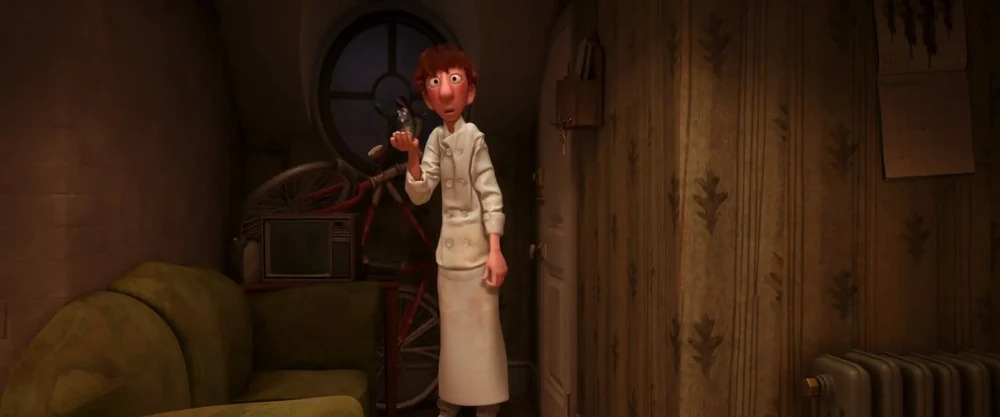
If Dreamlight Valley ever revisits Ratatouille properly, Alfredo Linguini feels like the obvious place to start.
As the film’s de facto secondary protagonist, Linguini naturally makes the most sense alongside Remy. There is an awkward authenticity to the character too, partly because Pixar cast production designer Lou Romano in the role rather than a traditional Hollywood leading man. Ratatouille begins with him as an awkward garbage boy desperately trying not to lose the only opportunity he has ever been given. He is clumsy, nervous and completely out of his depth in Gusteau’s kitchen. Much of Ratatouille’s charm comes from watching Linguini desperately trying to survive situations he is wildly unprepared for, whilst Remy quietly turns him into the face of Parisian fine dining.
And honestly, that is exactly what makes him interesting, because Linguini would become Dreamlight Valley’s first genuinely normal male villager.
Think about the rest of the Valley’s human characters for a moment. Eric is a prince. Merlin is one of Disney’s most iconic wizards. Kristoff comes from a magical Scandinavian fantasy world. Aladdin has magic carpets, ancient cave treasures and a genie surrounding his story.
Linguini, by comparison, is just some nervous ginger chef from Paris, and that could absolutely work against him.
Dreamlight Valley is a game filled with princesses, actual monsters, sorcerers and a billionaire duck shopkeeper. Standing Linguini beside characters like Ursula, Elsa or Sulley would make him feel surprisingly plain. He lacks the fantasy spectacle most Dreamlight Valley villagers naturally bring with them.
But perhaps that normality is exactly what gives him such a unique charm, because Dreamlight Valley would also create something Ratatouille itself never really could: a world where Linguini can actually speak directly to Remy.
The idea of Linguini discovering that Remy could have talked to him the entire time is genuinely hilarious. You can already picture the panic setting in as he realises his rat friend is suddenly capable of full conversations. And that panic would undoubtedly get even worse once he notices that, somehow, this village also contains talking lions, sentient toys and a small spherical cyclops who keeps trying to land a punchline.
That kind of overwhelmed energy feels perfect for Dreamlight Valley, and Linguini also has far more emotional warmth than people sometimes give him credit for. He protects Remy and the rat colony from Skinner, supports Colette when things begin falling apart and ultimately helps restore Gusteau’s reputation. He is awkward and often cowardly, but he never stops trying.
And honestly, Dreamlight Valley tends to thrive when characters bring that kind of sincerity with them.
But if Linguini joined the Valley, who should follow him?
Beyond Linguini, Who Else Deserves a Reservation?
Colette Tatou
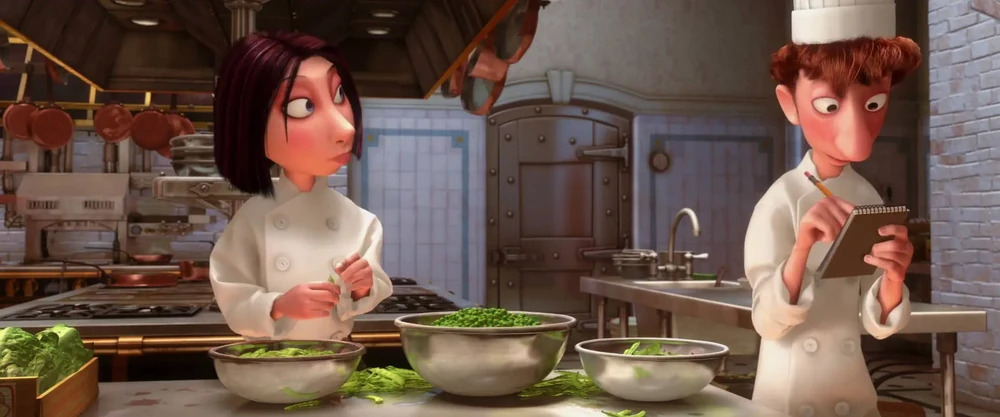
Colette is probably the safest and most logical second choice. Janeane Garofalo’s performance gives the character a sharpness and dryness that helps Colette stand out even among Pixar’s larger personalities.
Just as Linguini is essential to Remy’s story, Colette is equally important to Linguini’s growth throughout the film. She is arguably Ratatouille’s tritagonist and easily one of Pixar’s strongest grounded female characters. In a kitchen dominated by men, Colette establishes herself as Gusteau’s most capable chef through sheer discipline and talent.
That personality would fit Dreamlight Valley nicely too. Colette’s sharpness and competence would balance Linguini’s nervous chaos perfectly. Where Linguini panics, Colette takes control. Where Remy becomes emotionally driven, Colette stays practical. She would also slot naturally into Dreamlight Valley’s existing cooking systems and restaurant culture.
The problem is that she may simply overlap too heavily with what the Valley already has. Tiana already occupies a similar thematic role within Dreamlight Valley through cooking, hospitality and restaurant management. Adding both Linguini and Colette together could leave the Ratatouille franchise feeling overly focused on humanoid chefs without introducing anything especially new mechanically or visually.
That does not make Colette a bad addition by any means; it just makes her feel slightly less exciting than some of the other possibilities.
Emile
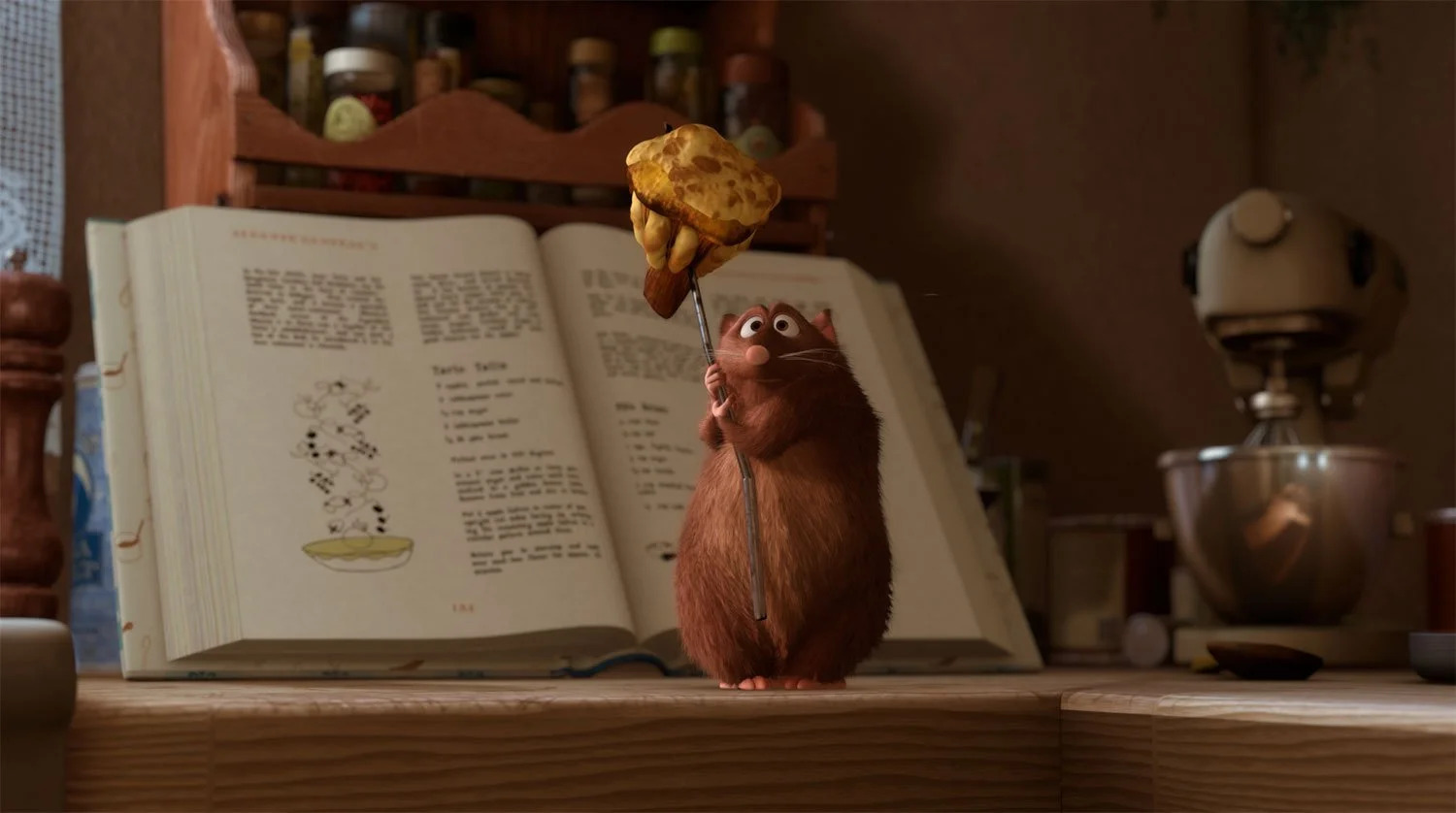
Emile offers something very different. Where Remy treats food as artistry and perfection, Emile simply loves eating. He is warm-hearted, gluttonous and endlessly supportive of his younger brother despite not fully understanding Remy’s ambitions.
That softer personality could honestly translate wonderfully into Dreamlight Valley.
You can easily imagine Emile wandering around the Valley bonding with Pumbaa over meals, raiding Chez Remy for leftovers or enthusiastically trying everyone’s cooking regardless of quality. Visually, he would also help make Ratatouille feel more represented as a world beyond just Remy himself.
But Emile’s biggest strength is also his biggest weakness. Dreamlight Valley already has several food-loving comic relief characters with huge hearts and slightly chaotic energy. Pumbaa especially occupies an incredibly similar role already. And whilst Emile is certainly memorable, he does not quite carry the same level of recognisability or emotional importance as some of Ratatouille’s other supporting characters.
Auguste Gusteau
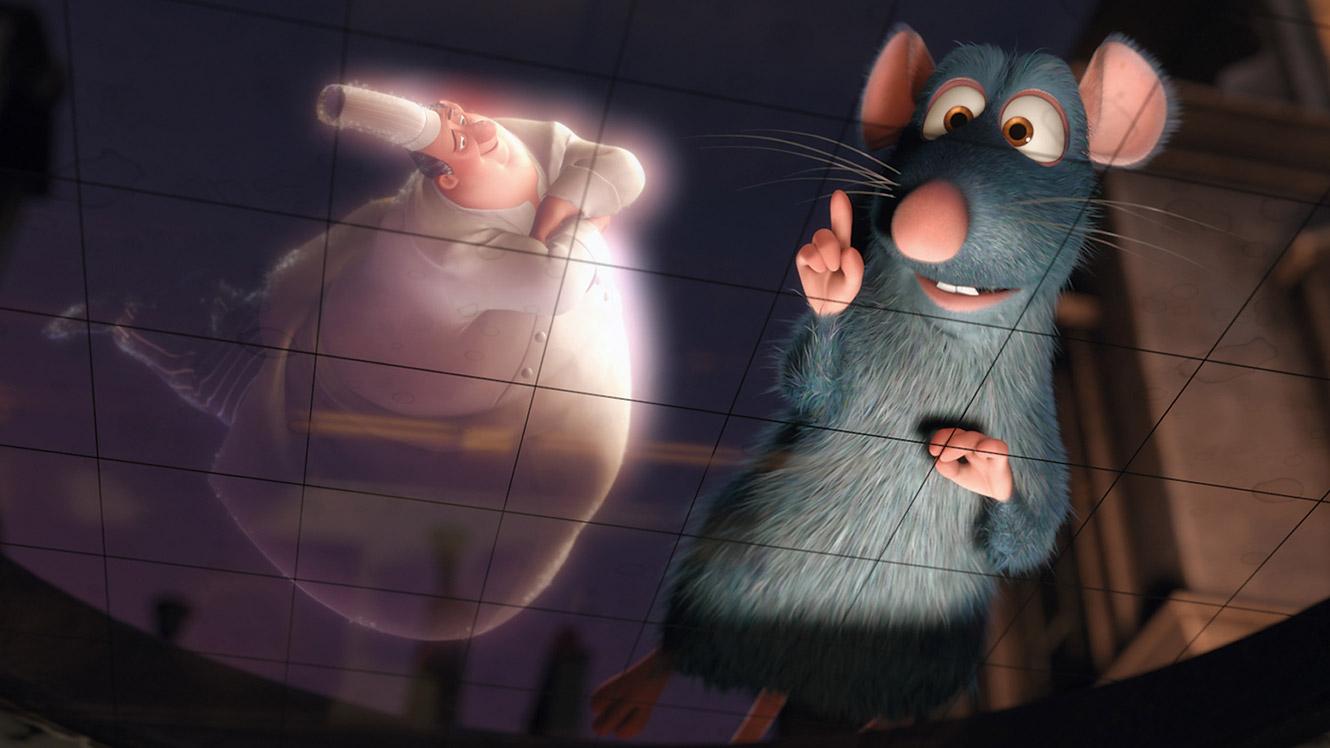
Then there is Auguste Gusteau. Brad Garrett’s booming performance gives the character a huge amount of warmth and theatrical presence despite his relatively limited screentime.
And honestly, he might be the most interesting possibility of all. On paper, the idea sounds slightly ridiculous. A spectral, imagination-shaped version of Gusteau wandering around Dreamlight Valley should not work nearly as well as it does in theory. But Dreamlight Valley has already proven that strange and whimsical characters can fit perfectly into the Valley’s atmosphere.
After all, this is a game where Jack Skellington, Oswald the Lucky Rabbit and the Cheshire Cat can casually socialise together. Gusteau would instantly bring something Ratatouille currently lacks within Dreamlight Valley: fantasy.
Unlike Linguini or Colette, Gusteau carries a mythological presence within the film itself. He exists as a mentor figure shaped by Remy’s admiration and imagination, constantly encouraging him through the famous motto, “Anyone can cook.” That kind of dreamlike interpretation feels perfectly suited to Dreamlight Valley’s magical logic.
The interaction potential alone would make him worthwhile. Imagine Remy finally being able to properly speak with his idol. Imagine Linguini attempting to explain how overwhelming the Valley is becoming. Imagine Gusteau enthusiastically discussing recipes with Tiana or encouraging players through cooking quests.
There is so much warmth in those possibilities. Of course, a spectral human villager could still feel slightly strange, from a tonal perspective. Dreamlight Valley tends to avoid dwelling too heavily on darker implications, and some players may understandably question why Gusteau specifically remains a spirit. But honestly, if any game could make that concept feel cosy rather than unsettling, it is probably Dreamlight Valley.
Anton Ego
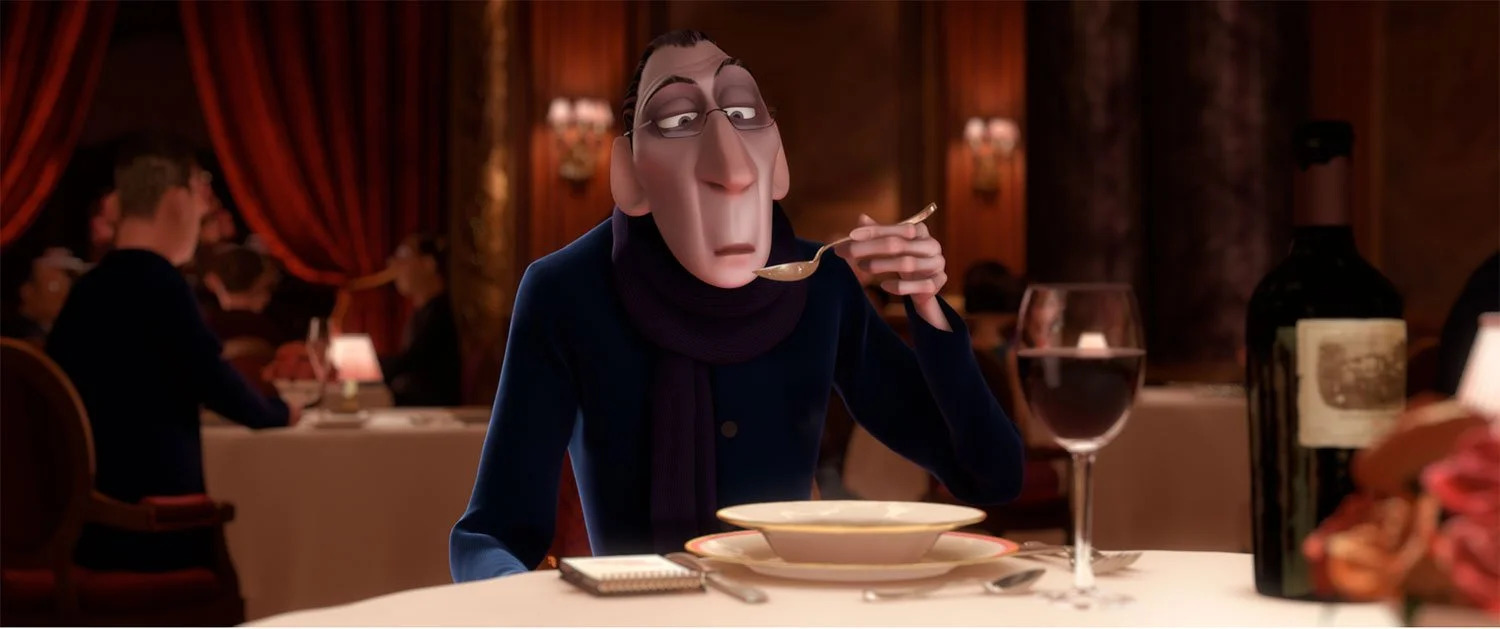
Anton Ego would certainly be the boldest choice. Whilst Skinner functions more directly as Ratatouille’s antagonist, Ego remains the film’s most thematically important obstacle. Peter O’Toole’s performance gives the character an enormous presence despite him being, fundamentally, just a food critic. His opinion matters more than anyone else’s in Parisian food culture, and his cold, gothic presentation makes him one of Pixar’s most visually memorable human characters.
You can immediately imagine how entertaining he could be in the Valley. Ego criticising player decorating choices feels almost too perfect for Dreamlight Valley. Conversations with Scar, Ursula or Mother Gothel could be brilliant too, simply because Ego would probably be one of the few characters who would be outwardly unimpressed by any of them.
But he also falls into a similar problem as Linguini and Colette. At the end of the day, Ego is still fundamentally just a man in a suit. Unlike Linguini, he lacks the everyman charm that makes his normality feel refreshing, and unlike Gusteau, he does not bring any particularly whimsical fantasy energy to the Valley either.
If Dreamlight Valley ever introduced a judging mechanic tied to cooking or DreamSnaps or something else entirely, Ego would suddenly become an incredibly strong candidate. As a third Ratatouille representative though, he probably falls slightly short.
So Who Deserves a Seat at Chez Remy?
Every Ratatouille character brings something interesting to Dreamlight Valley, but the strongest combination probably comes down to Linguini and Gusteau.
Linguini gives the franchise emotional grounding and comedic potential. He would feel completely overwhelmed by the Valley in a way no other villager really does, and that normality could actually become incredibly charming.
Gusteau, meanwhile, adds the magic. He introduces fantasy and whimsy back into a comparatively grounded Pixar world whilst still feeling emotionally tied to Remy’s story. More importantly, he gives Ratatouille a visual and thematic identity within Dreamlight Valley that extends beyond simply cooking food.
Colette and Emile would both still make wonderful additions eventually, even if they overlap slightly with dynamics the Valley already explores elsewhere. Anton Ego remains fascinating too, but perhaps works better as a supporting presence rather than a fully active villager.
But honestly, revisiting the Ratatouille Realm now feels more appropriate than ever. Dreamlight Valley has evolved enormously since those early 2022 realms. Modern updates are bigger, more ambitious and far more character-driven than they once were. Returning to Ratatouille would not feel like revisiting old content for the sake of nostalgia. It would feel like finally giving one of Dreamlight Valley’s most important worlds the expansion it deserves.
And if anyone can cook, perhaps there is room in the Valley for a few more chefs after all.
 Canonyx


Leave a comment